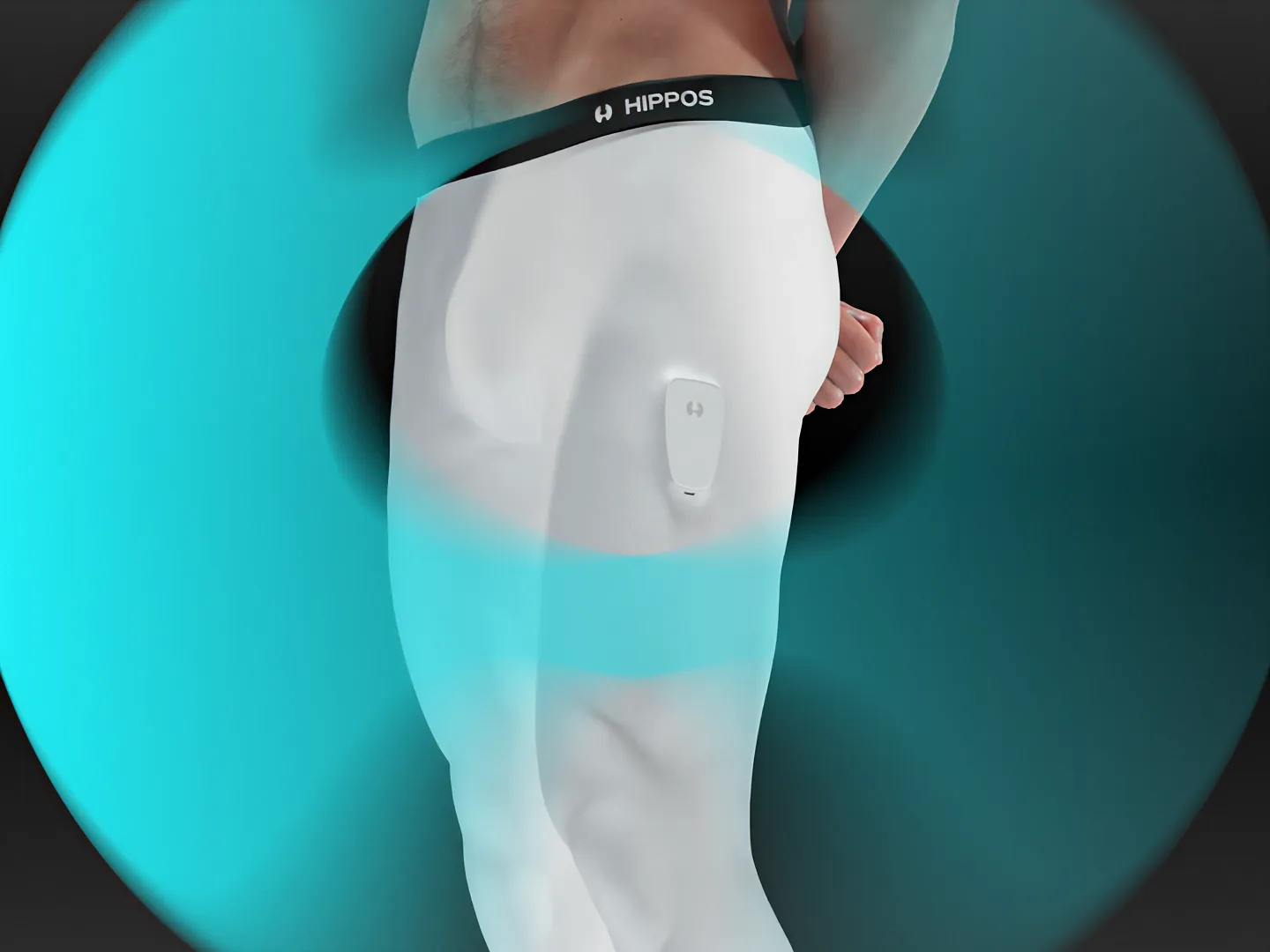
We understand
the pain as fellow athletes
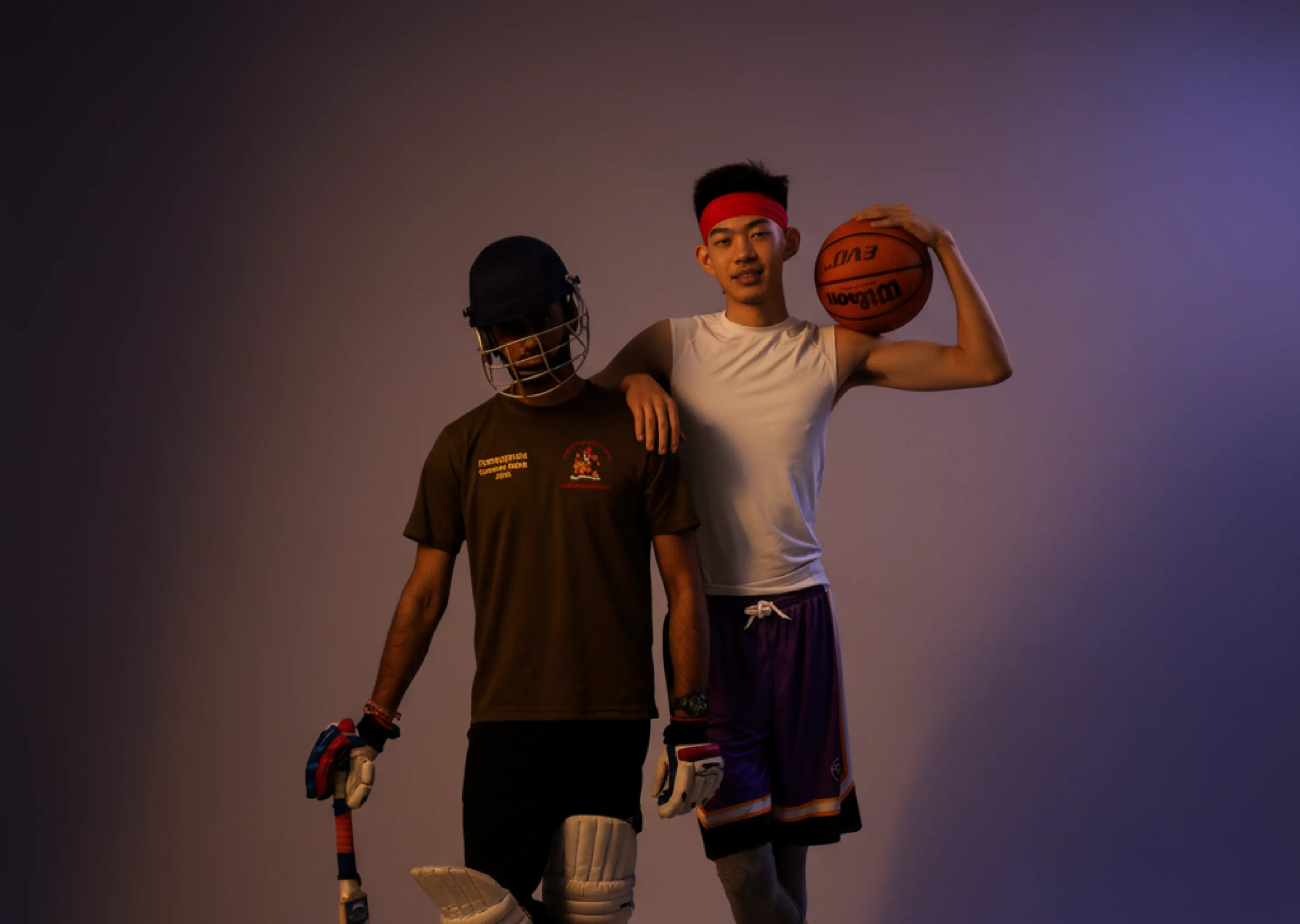
Kylin picked up a basketball at 8 years old.
Growing up in Asia, life was pressure — family expectations, a hyper-competitive world, the weight of thinking differently in a place that rarely rewarded it. Basketball became the one constant.
Basketball was the only friend I had that was always there. You bounce it, it answers you. It always comes back.
It wasn't just a sport. It was the only place he ever felt free.
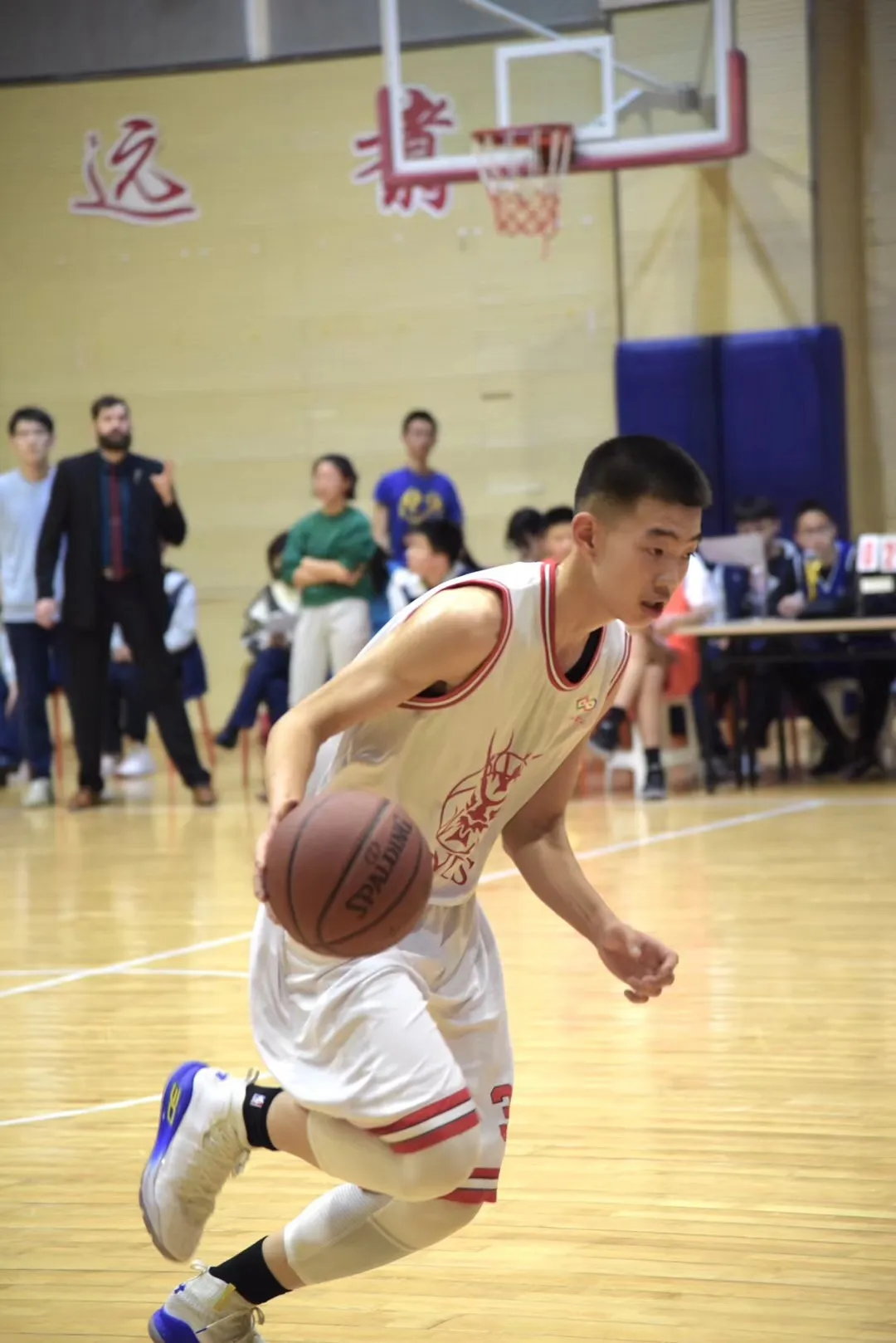
At 17, one knee injury ended it.
Not just the dream of playing college basketball — but the thing that had carried him through everything. He feared more than losing a pathway to his American dream. He feared having his life forever changed.

But the pain turned into a question. Why did his body fail him without warning, without data, without any pattern? And then a bigger one: why do 1.7 billion people experience the same thing every year?
Our biology is still running on an instinct system that was last updated 200,000 years ago — built for the savanna, not the stadium. Natural selection designed us to react after danger strikes. Never before. And yet we keep pushing further: athletes, soldiers, workers demanding things from their bodies that evolution never anticipated.
That's why injuries don't feel like mistakes. They feel random.
This isn't failure. It's the next step in evolution.

Kylin decided to close that gap.
He met Bhavy in an electronics engineering class at University College London — an engineer who had spent years building intelligent systems for NATO defense programs and rehabilitative devices. Machines that could sense danger, adapt in real time, and respond before failure.
Bhavy had been building things since he was 6 years old, growing up in the rougher parts of London — tinkering, fixing, accidentally making chlorine gas in primary school. The kind of kid who couldn't stop taking things apart to understand how they worked, and putting them back together to make them better.
I've always been obsessed with stopping people from getting hurt. Then I realized things are much bigger than that.
Kylin saw exactly what Hippos needed. He asked Bhavy to build it with him. Bhavy said yes.
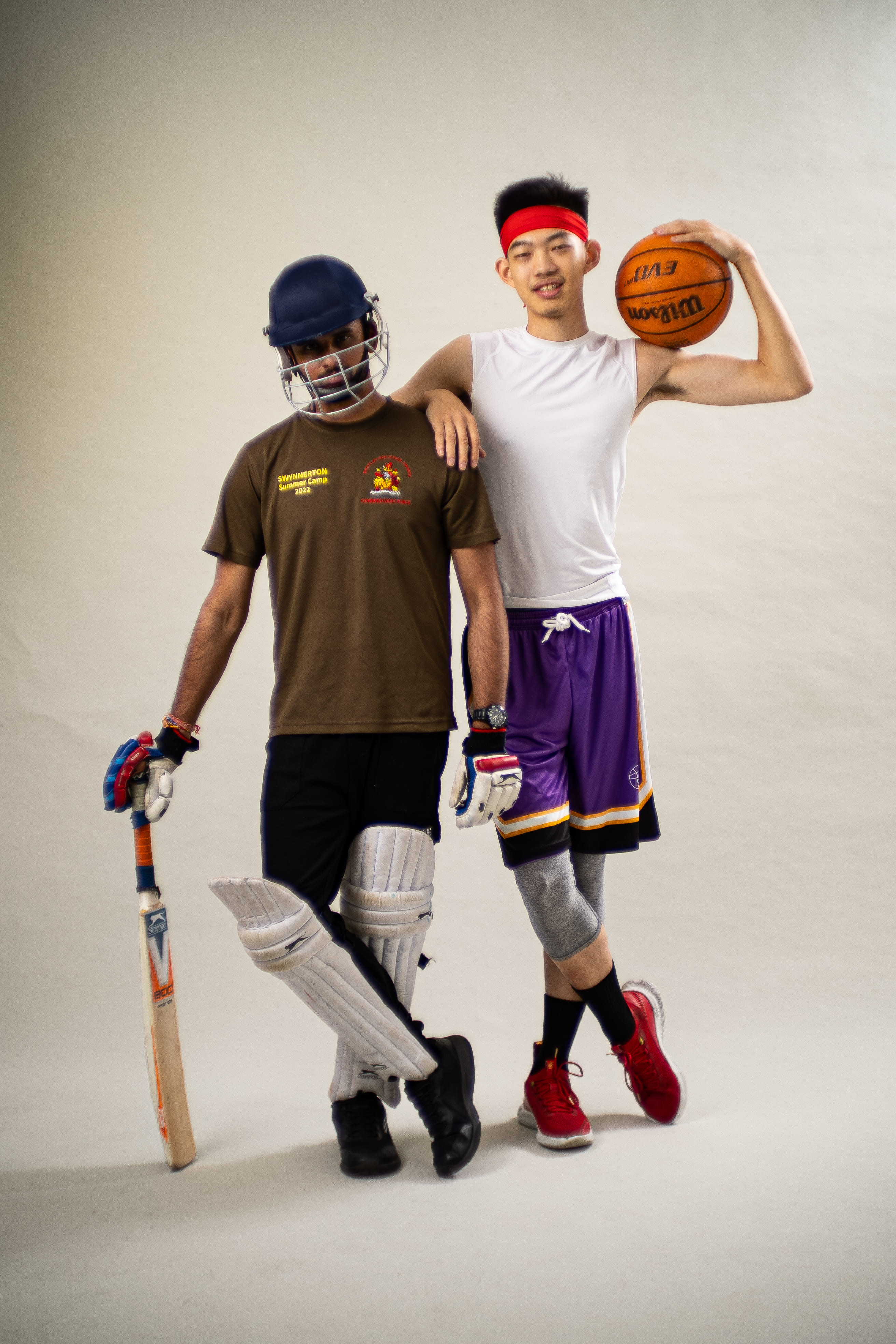
Founders
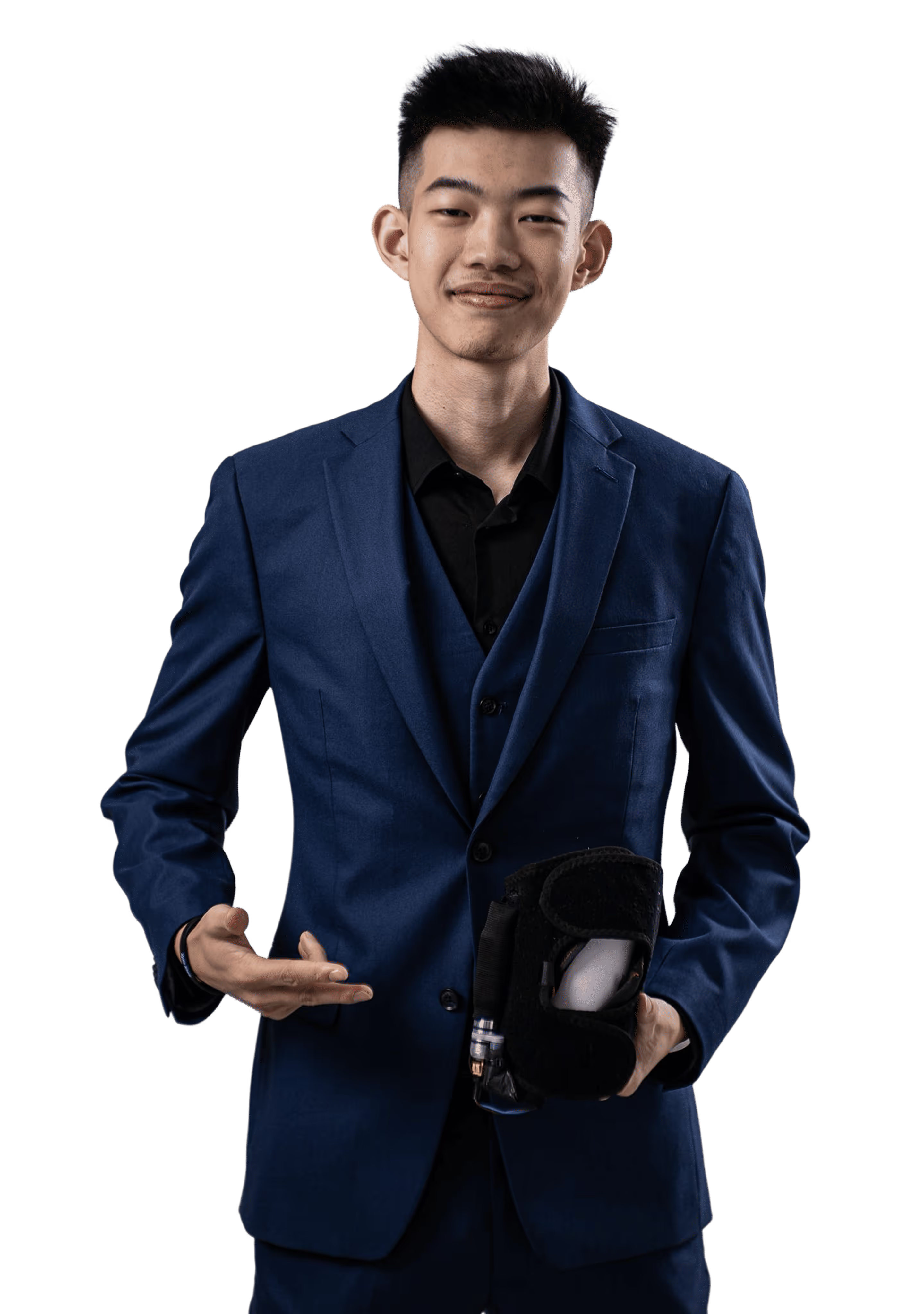
- Started coding at 14. Math prodigy — won the S.T. Yau Science Award at 16. Led enterprise sales at Leyard at 17. Exited his first software company at 18. Former basketball hopeful.
- Five separate lives. None of them connected — until his knee buckled.
- He's building what 17-year-old him needed. And the millions who'll need it next.
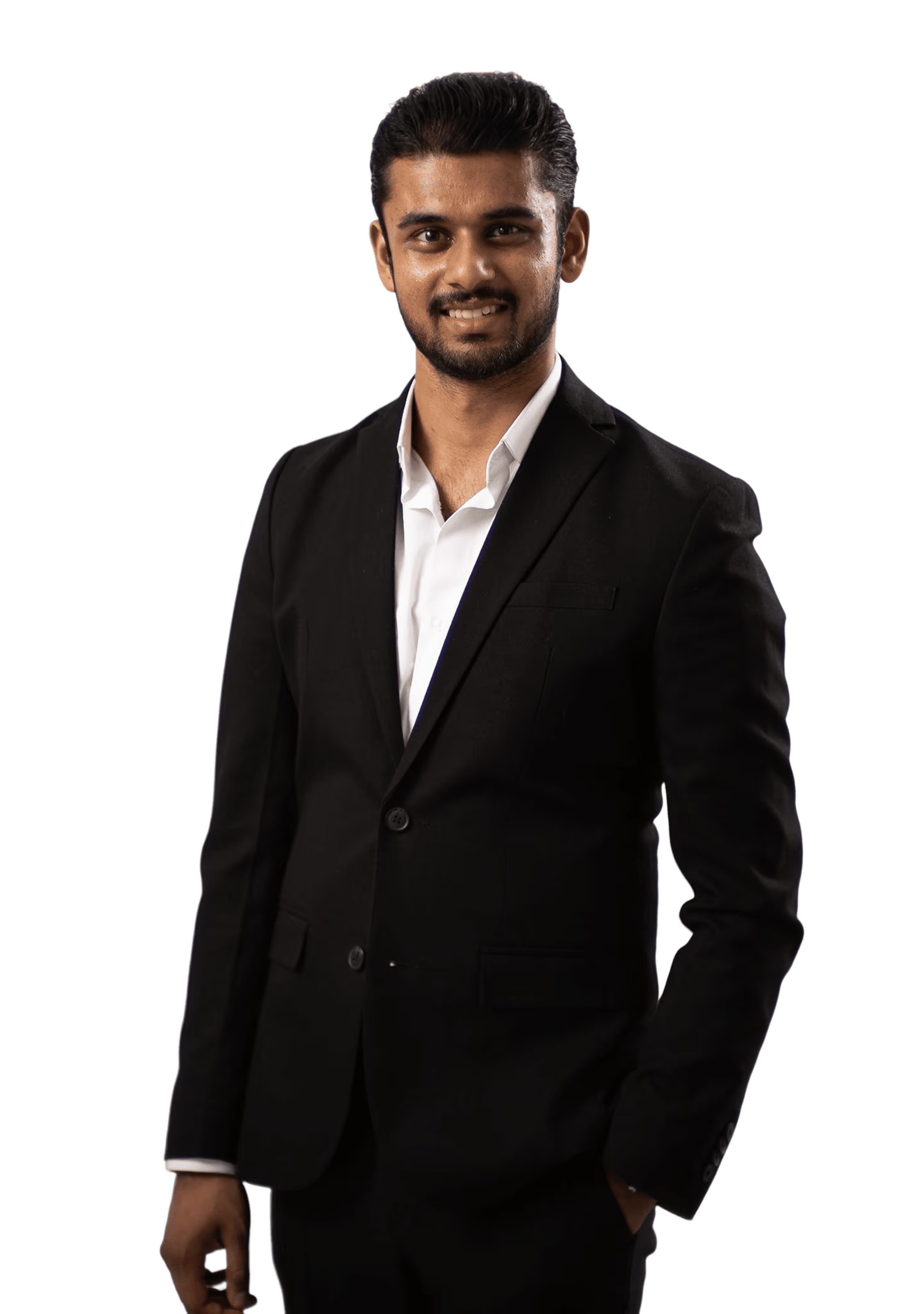
- Accidentally made chlorine gas at 6. Invented bionic arms for stroke patients at 16. Won the TDI national engineering award at 17. Built autonomous systems for NATO at Leonardo.
- Then his mother fell.
- Now he's building the shield his mother needed. And the one every body needs next
Our Advisory
Philosophy
- President, NFL Physicians Society, Head Team Physician, Cleveland Browns.
- Chair of Orthopaedic Surgery, University Hospitals.
- Dr. Voos is one of the most influential leaders in American sports medicine, with award-winning research on wearable technology and ACL recovery. He works with us on football, post-op recovery, and the Midwest pro-team network.


- Team Physician, Cleveland Browns.
- Director, UH Drusinsky Sports Medicine Institute. Randal E. Marcus Professor at Case Western.
- Dr. Calcei is one of the most active researchers in NFL sports orthopedics alongside Dr. Voos. He works with us on football, ACL research, and the Midwest network.


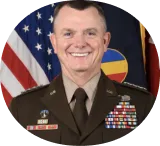
- Retired four-star general. Former Commanding General, U.S. Army Training and Doctrine Command (TRADOC).
- General Funk is one of the most respected leaders in the U.S. Army. He works with us on military strategy, doctrine, and Army deployment.

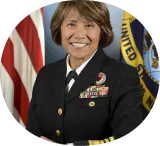
- Retired three-star Vice Admiral. Former Director, Defense Health Agency (DHA).
- Vice Admiral Bono is one of the most accomplished health-system leaders in the U.S. military.
- She works with us on defense health integration and DoD strategy.


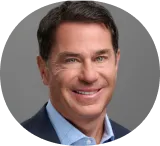
- Managing Partner and Chair, Department of Orthopaedics, Rush.
- Team Physician, Chicago Bulls, White Sox, Dogs, and Red Stars.
- Dr. Cole is one of the most brilliant minds in orthopedic surgery. He works with us on clinical, data, and business strategy.


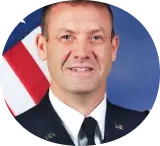
- Retired Colonel. Former Group Surgeon, 1st Special Forces Group.
- Colonel Wieman is one of the most experienced operational doctors in U.S. Special Operations. He works with us on tactical-athlete deployment and field readiness.